Fórsa has said the sharp rise in fuel prices, and growing uncertainty around global energy supplies, strengthen the case for practical measures that can reduce fuel consumption, including wider access to remote and hybrid working.
The warning comes amid concern that instability in the Middle East could disrupt global energy markets, with motorists already facing sharply higher costs at the pumps.
The Government announced a series of measures this week aimed at easing pressure on households and businesses, including a tax rebate scheme for hauliers, a double fuel allowance payment and a reduction in excise duty to help lower fuel prices.
While such steps may cushion the immediate impact, Fórsa said policymakers and employers should also consider proven ways to reduce fuel demand.
The International Energy Agency (IEA) has highlighted remote working, where possible, as one of several practical measures that can help ease pressure on oil markets by reducing fuel demand from daily commuting.
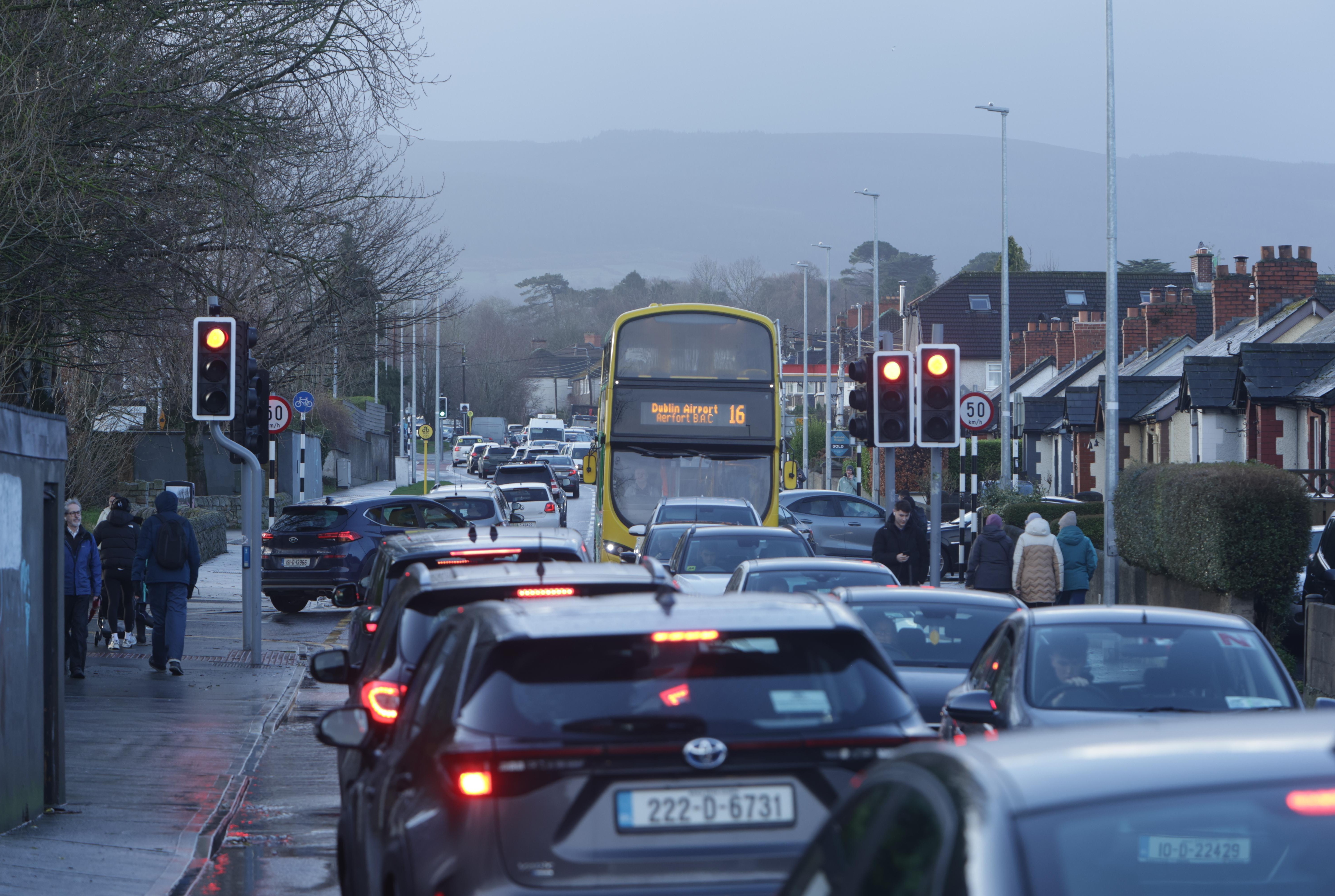
The union noted that remote and hybrid working arrangements have already demonstrated clear benefits since the pandemic, reducing commuter traffic, congestion and transport emissions while maintaining productivity.
Fórsa deputy general secretary Éamonn Donnelly said: “Even a modest reduction in mandatory office attendance for employees who can work remotely could help lessen the immediate cost-of-living impact for workers who rely on cars to commute, while also easing pressure on fuel demand.”
Fórsa general secretary Kevin Callinan has said stronger protections for remote working will be a key issue in upcoming negotiations on a new public service pay agreement.
A survey of 14,000 Fórsa members last year found that 55% identified protecting existing hybrid and remote working arrangements as their top priority.
Join a union that wins. Join Fórsa.





 Like
Like


