Public service trade unions are preparing for what could become a very politically significant round of pay talks, with negotiations expected to begin “in the coming weeks” ahead of the expiry of the current agreement at the end of June.
Recent media coverage has highlighted growing expectations that unions will seek substantial pay improvements, alongside wider measures addressing the pressures facing public service workers.
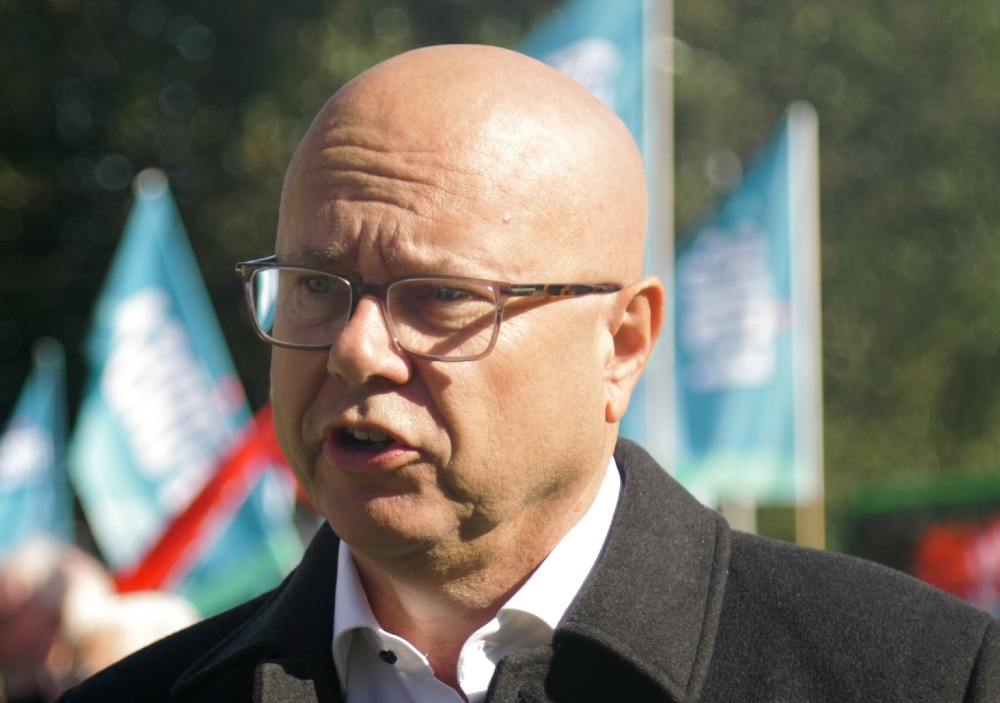
In The Irish Times this week, Fórsa general secretary Kevin Callinan said the union side would not simply repeat the approach taken in previous negotiations, warning that workers have experienced a sustained erosion of spending power due to rising living costs and taxation changes that have failed to keep pace with inflation: “We’re not going to sit down with the Department of Public Expenditure at the Workplace Relations Commission and do a deal like we’ve done for the last 15 years,” he said.
Kevin also indicated that any longer-term agreement would need to include meaningful engagement on wider “common-good issues” affecting workers and public services, including housing and remote working arrangements. In the absence of broader progress on these issues, he suggested that only a shorter-term agreement may be realistic.
The current agreement has delivered pay increases worth 10.25% over two-and-a-half years, including provisions for local bargaining, and a final 1% increase due on 1st June. However, unions argue that many workers continue to face rising household costs, fuel pressures, childcare expenses, and housing affordability problems.
The issue of commuting and fuel costs has also become increasingly prominent in recent weeks.
The union’s ‘A Better Deal’ campaign is also expected to shape the backdrop to upcoming pay negotiations. More than 40,000 Fórsa members have now signed the campaign pledge, which calls not only for pay increases above inflation, but also for progress on issues including remote and flexible working, local bargaining claims, housing, healthcare investment, and the wider cost-of-living crisis. The campaign is designed to demonstrate collective strength ahead of negotiations and underline the scale of support for the broader approach to the next agreement.
Irish Congress of Trade Unions President and general secetary of the Irish Nurses and Midwives Organisation (INMO) Phil Ní Sheaghdha has said unions would seek “significant” pay increases and criticised the Government’s slow response to calls for improved mileage rates for nurses and midwives working in the community.
Echoing the broader union position, she said the next talks “must be about more than just pay,” arguing that affordable housing, childcare, and working conditions are now central issues for public servants.
The Government has confirmed that discussions on a successor agreement are due to begin shortly. Taoiseach Micheál Martin is due to address Fórsa delegates at the conference next week in Killarney, where motions on pay and working conditions will be central to the debate.
Join a union that wins. Join Fórsa.




 Like
Like


