Public service pay talks at the Workplace Relations Commission are at a critical juncture after 11 days of negotiations. Talks are continuing today as members receive this edition of Fórsa’s members’ news bulletin.
Public service pay talks at the Workplace Relations Commission are at a critical juncture after 11 days of negotiations. Talks are continuing today as members receive this edition of Fórsa’s members’ news bulletin.
In a message to members issued this afternoon, Fórsa general secretary Kevin Callinan described the talks as “lengthy, and at times heated” as the parties work through key elements of a potential deal. Kevin is leading the union side in the negotiations.
Kevin said: “A draft agreement remains possible, but the Government has yet to put forward a credible offer, and it remains to be seen whether it will do so. I will continue to push for the best deal for members, but I cannot be certain that we will reach that point this week, or indeed over the weekend.”
He advised members that the ICTU Public Services Committee will meet on Monday (2nd November) to receive a report from its officers on the public service pay talks.
If no draft agreement is available, the committee will consider a proposal for a nationwide strike on Wednesday, 11th November. The proposed strike would take the form of a demonstration in Dublin and other demonstrations in major regional locations.
At a meeting earlier this week, Fórsa’s National Executive Committee (NEC) passed a motion backing a proposal for this approach in the event of no agreement.
He added: “Members have been clear about the pressure that rising living costs are placing on their households. Unions entered these talks seeking an agreement that recognised those pressures and protected living standards. If we fail to reach an acceptable agreement by the weekend, it leaves unions with no alternative but to escalate the action.
“The scale of the planned demonstrations will give civil and public service workers an opportunity to send a visible and united message to Government. I hope that it will not come to this, and that we can reach agreement on a new deal,” he said.
Kevin added that Fórsa will update members once this week’s talks conclude, reminding members to continue to take part in the ongoing work-to-rule action, and urging members to “Stay strong, stay united.”
The ballot marks a significant step towards resolving a long-running dispute over pay, pensions and employment conditions for school secretaries and caretakers.
School secretaries and caretakers represented by Fórsa have voted overwhelmingly to accept proposals negotiated at the Workplace Relations Commission (WRC), with 94% voting in favour on a turnout of just over 88%.
The ballot marks a significant step towards resolving a long-running dispute over pay, pensions and employment conditions for school secretaries and caretakers.
The proposals, which followed an intensive period of negotiations in early 2026, address the union’s outstanding claims and build on commitments made when strike action was suspended just over a year ago.
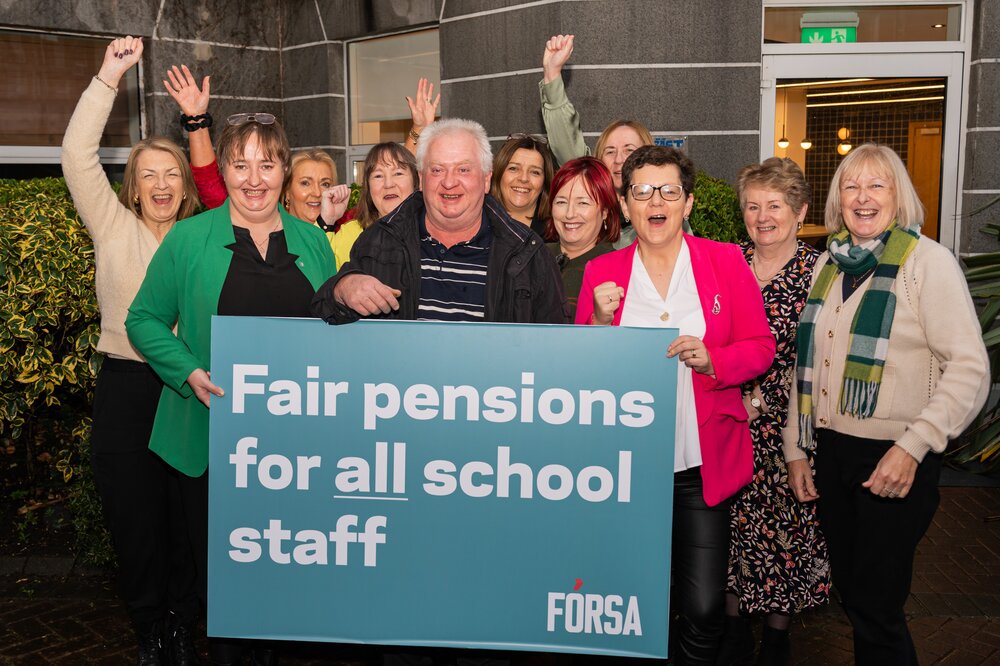
School secretaries and caretakers campaign meeting November 2024
Key improvements include implementation of the Labour Court recommendation on pension lump sums and gratuity payments, improved sick leave arrangements, paid bereavement leave and a new pay structure for school caretakers.
Caretakers will receive backdated pay to March 2026 and move, by March next year, to a pay scale aligned with that applying to Education and Training Board (ETB) caretakers. Long-serving workers will be assimilated at appropriate points on the scale. The proposals also provide for a move to a central Department of Education payroll service and for salaries to be annualised over 12 months.
Both school secretaries and caretakers will benefit from paid bereavement leave and enhanced sick leave provisions.
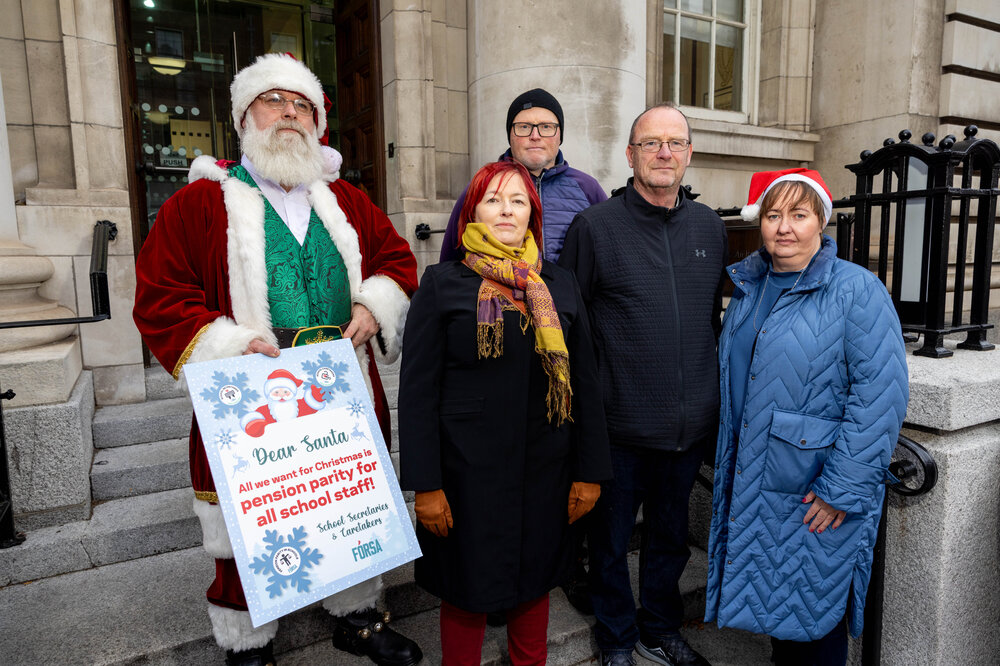
Delivering school secretaries and caretakers' letter to Santa to DPER action December 2024
Commenting on the result, Fórsa head of education Andy Pike said: “The result reflects the commitment and solidarity of school secretaries and caretakers throughout a lengthy and challenging process. A 94% vote in favour, on a turnout of more than 88%, is a very strong endorsement of these proposals.
“Our branch representatives showed considerable determination throughout negotiations, working to secure improvements that recognise the contribution these workers make to our schools and address longstanding inequalities in their employment conditions.
Andy Pike announces Pension Parity campaign at Divisional Conference April 2025
“While the negotiations were difficult, this outcome represents important progress on pensions, pay, sick leave and bereavement leave. We will now work to ensure the agreed measures are implemented as provided for in the proposals.
“I want to thank all our members and branch representatives for their commitment and solidarity throughout this process. This outcome has been more than two decades in the making,” he said.
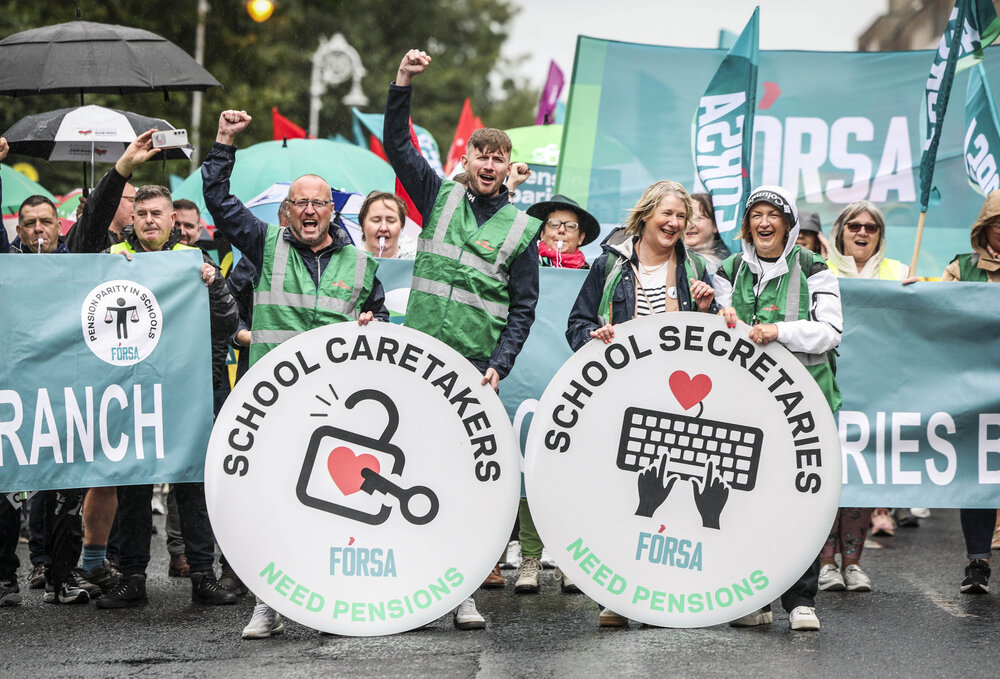
School secretaries and caretakers flood the streets of Dublin for DPER protest August 2025
Watch: “No Shortcut to Winning” | Inside the School Secretaries and Caretakers Pension Parity Battle
In August 2025, around 2,800 school secretaries and caretakers took to picket lines across Ireland for seven days, fighting for pension parity and equal respect. This is their story, in their own words.
October is Breast Cancer Awareness month so we’re taking the opportunity to remind branches that they can avail of workplace education and awareness sessions, thanks to BCI and Cornmarket.
Last year, Fórsa and Breast Cancer Ireland (BCI) launched a new partnership supported by Cornmarket. The programme enables union branches to host educational sessions in their workplace, where expert presentations build members’ awareness and understanding of breast health and warning signs to look out for.
Over the past year, 150 sessions have taken place and over 5,500 members have attended those sessions.
Breast Cancer Ireland trainer Juliette O’Connell provides the sessions for Fórsa members. Talking about the programme’s impact, she said: “The importance of this education and awareness talk for both men and women can’t be underestimated. Early detection can be lifesaving.”
“We can’t prevent breast cancer from happening, but we can increase the chances of a more favourable treatment outcome if detected on time,” she continued.
Feedback from branches that have hosted sessions has been very positive, ranging from praise for Juliette’s empathy and kindness, to appreciation for the clear explanations and appropriate information for further follow-up and support.
Vice-President Julie Flood said: “The positive impact of this programme is very significant. We know that members have received diagnoses after attending sessions, which has then enabled them to begin treatment far earlier than they might have without the programme.”
“This October we’re encouraging branches that haven’t yet availed of this opportunity to make sure they get a date in the diary to host a session with Juliette. There are already 48 sessions booked for the months ahead so don’t miss your chance to set one up.”
To book a workplace session, branches can email alex@bci.ie for further information.
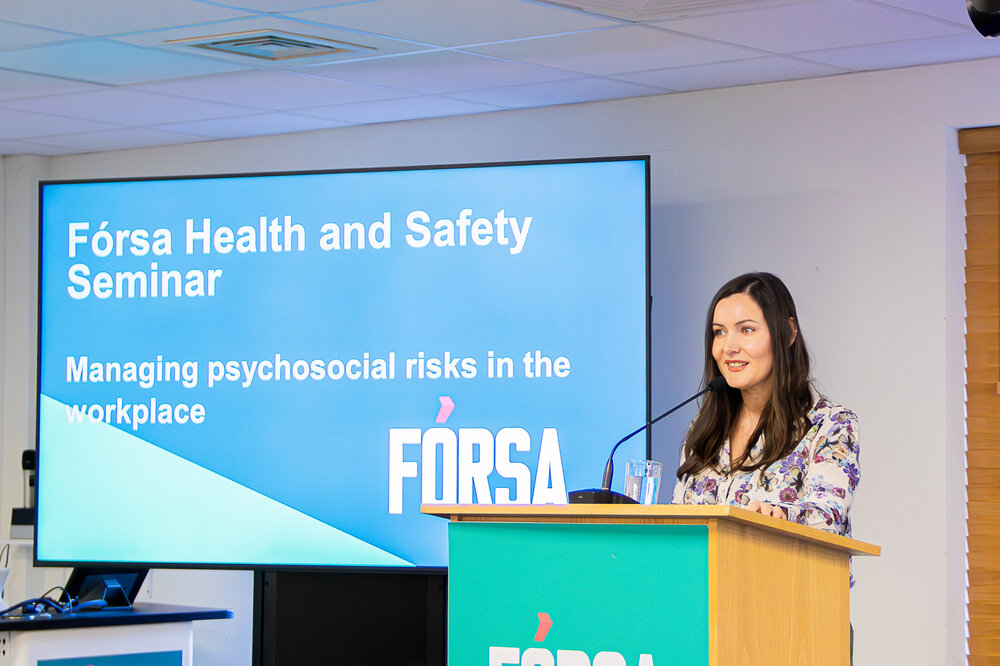
Fórsa’s Health and Safety Committee hosted the event Managing Psychosocial Risks in the Workplace in Nerney’s Court bringing together workplace reps, branch officers, and officials to take on the dangers to mental health and wellbeing in the workplace.
In recent decades a whole raft of legislation, regulations and responsibilities have guaranteed workers’ physical safety in the workplace However, while much focus has been put on physical dangers in the workplace, less attention has been paid to psychosocial risks.
‘Psychosocial risk’ describes factors in the way work is organised and managed that has the potential to negatively affect workers’ mental or physical well‑being. These risks arise from social and organisational conditions, as distinct from physical hazards in the workplace.
On Thursday 22nd October, Fórsa’s Health and Safety Committee hosted the event Managing Psychosocial Risks in the Workplace in Nerney’s Court and brought together workplace reps, branch officers, and officials.
Fórsa deputy general secretary, Katie Morgan opened up with a short address underlining the importance of protecting mental well-being as well as physical
She said, “It is a commitment of not only Fórsa but the Irish Congress of Trade Unions, to get employers to prioritise mental health and not just physical dangers in the workplace”
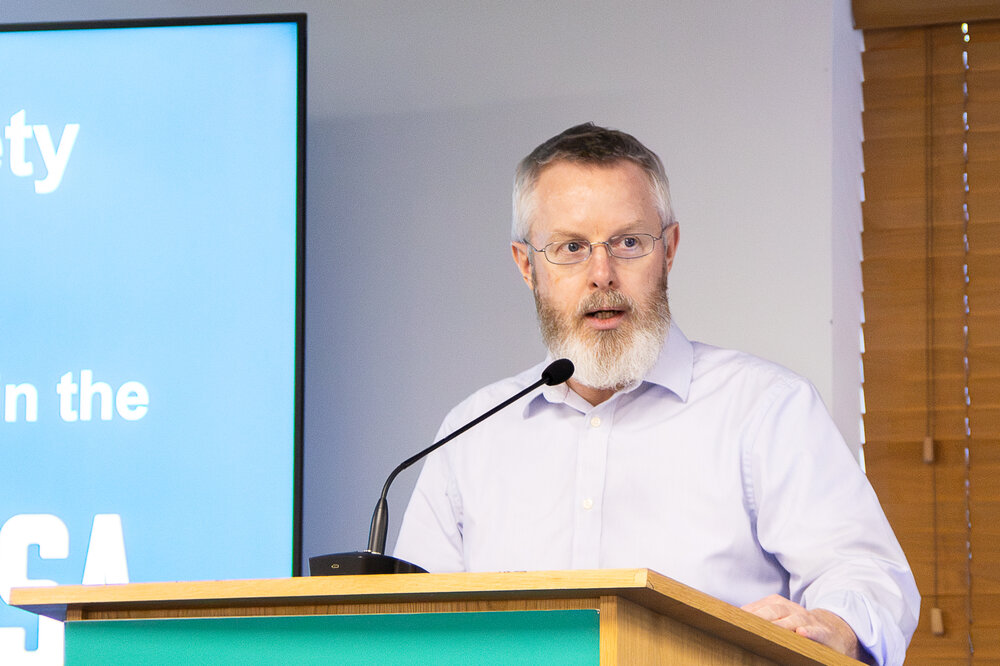
Fórsa Vice-President and chair of the Health and Safety Sub-committee, Mark Tighe, spoke on the work still to be done on psychosocial health and safety.
He said, “I see this as a stepping stone in the growing path of helping people, of making employers protect people and mental health in the workplace.”
Culture
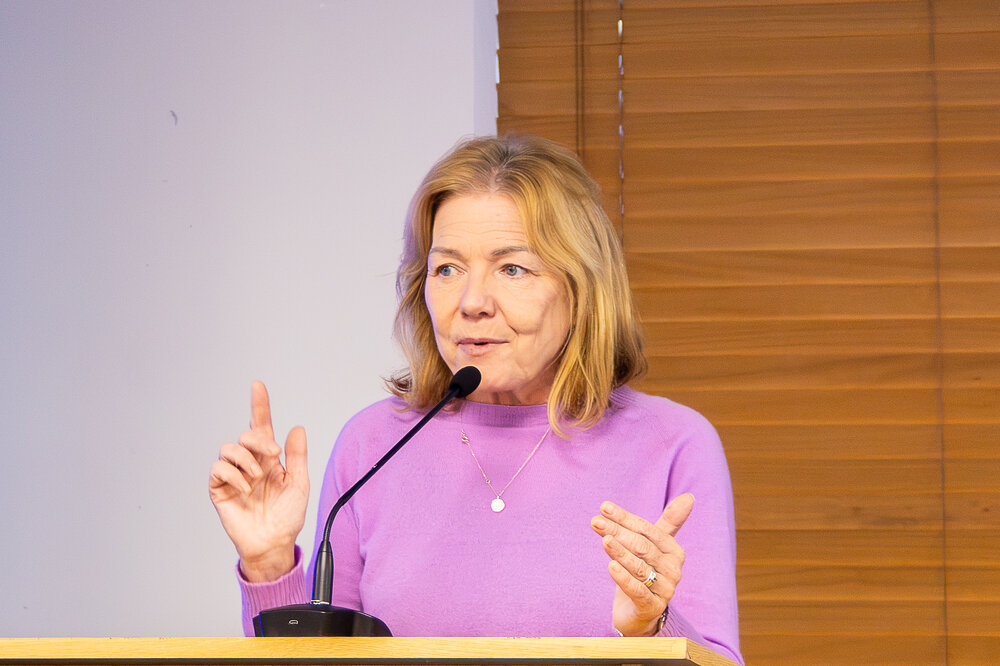
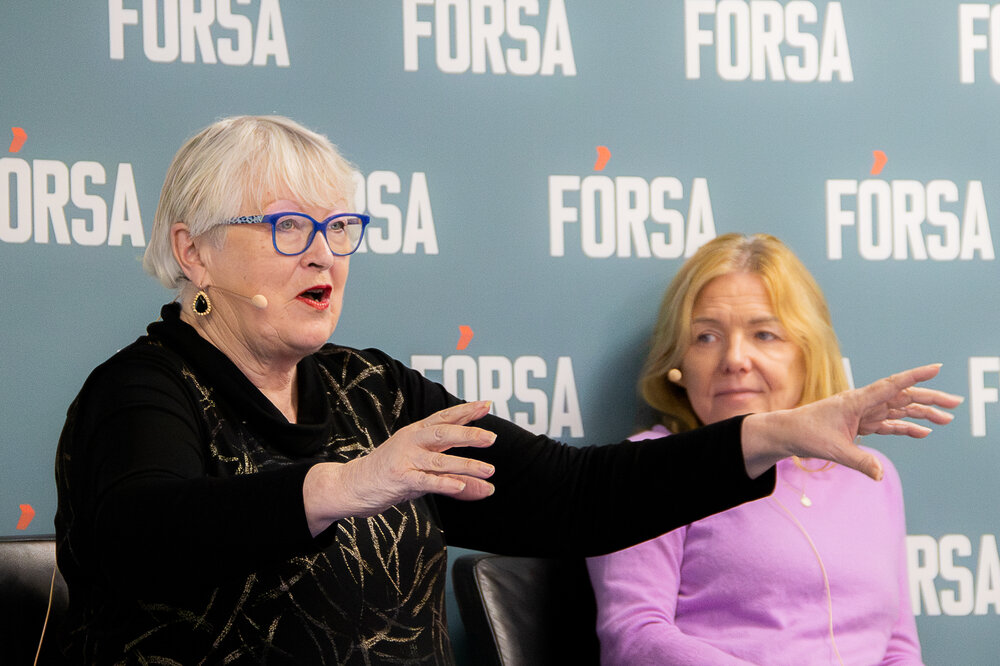
Patricia Murray, former Senior Psychologist and Inspector with the Health and Safety Authority (HSA) now working independently with clients to create healthier and safer workplaces, spoke on the importance of creating a good culture and providing considered, consistent support.
According to Patricia, a simple cause of conflict can be the differences in the way different people are used to behaving in social situations. She said, “what I see as good behaviour is not what Mary sees as good behaviour, or what Mark sees as good behaviour.”
To overcome this issue, she recommends laying out clear expectations of workplace behaviour in a new staff member’s induction. She said, “this should be about ‘this is how we behave here, this is how we work here.’”
She also gave a stark warning of the need to see things through when supporting someone experiencing workplace bullying or conflict. She said, “don’t open up if you’re going to walk away from it. If you get involved and walk away it can really damage someone.”
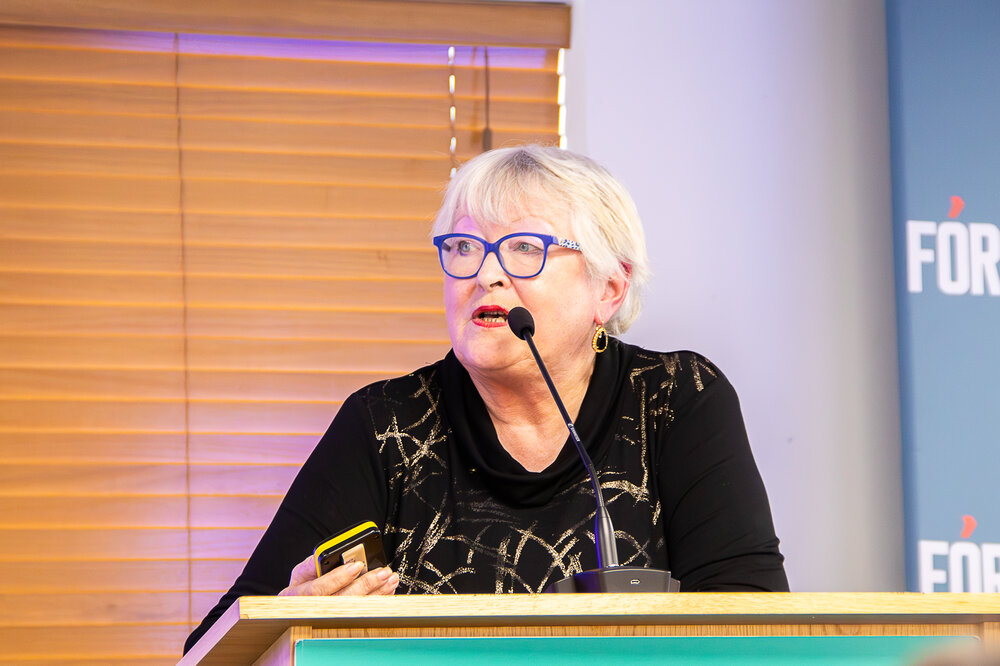
Chair of Leitrim Health and Local Government branch, Geraldine McLoughlin, a psychologist with the HSE, described the mechanics of how a bullying relationship develops, and how the systems currently in place to address workplace bullying are inadequate and often only further disempower victims.
Amongst the issues she found were “deliberately power-blind” policies that ignore imbalances in cases. She also found evidence that bullies were enabled to conspire against their victims through “behind the scenes defamation of the victim, in emails and telephone calls” and the active collaboration of ‘support contact persons.’
Of greatest concern was a lack of enforceability on any recommendations following an investigation. She said, “I have no evidence either locally or nationally where a grievance has been upheld the person has been sanctioned.”
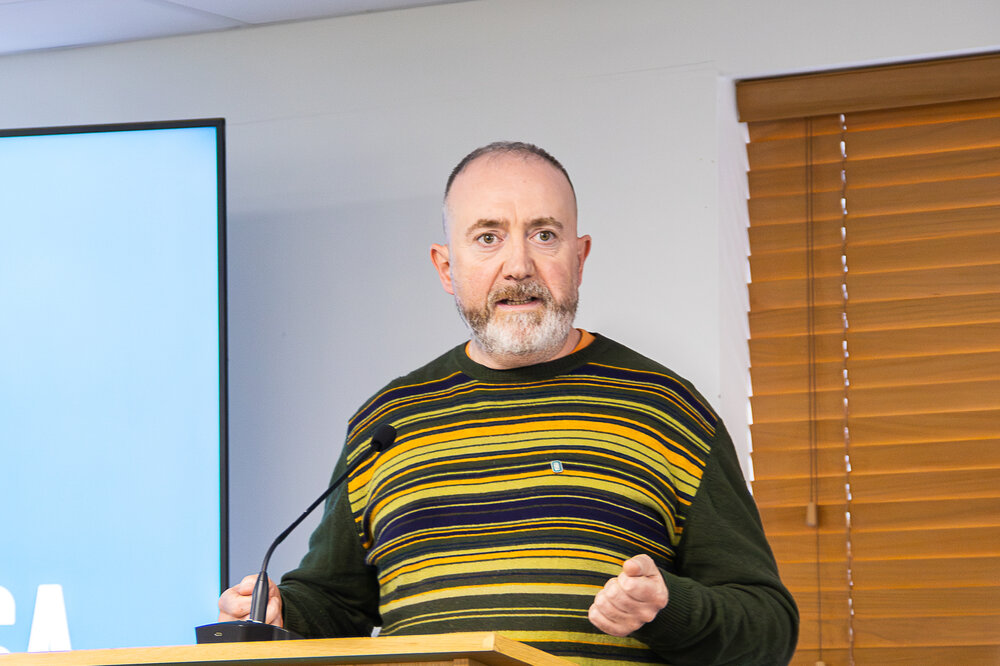
The details were harsh. Of the 4981 respondents, 68% said they had been bullied in the workplace, with 31% having experienced intimidating behaviour such as finger pointing, invasion of personal space, shouting or physically blocking their path.
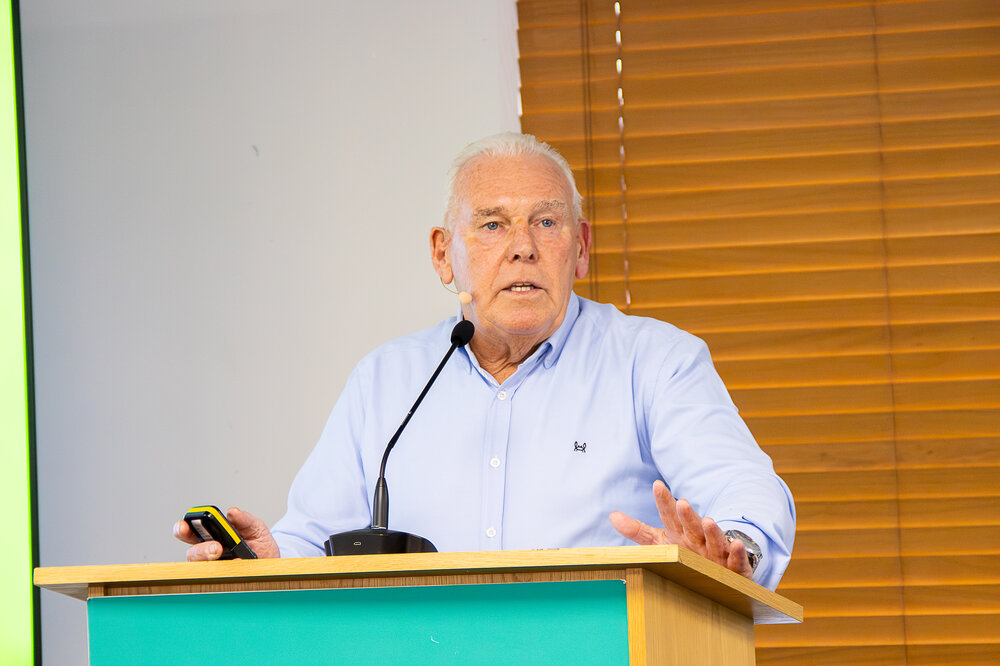
Beyond the personal impact, Dessie identified workplace bullying as an issue employers should be concerned about from a business perspective. He said, “employers need to realise if you’re feeling hopeless, you’re not going to be productive.”
Speakers Patricia Murray, Geraldine McLoughlin, and Dessie Robinson returned for a closed question and answer session chaired by Fórsa assistant general secretary Lynn Coffey.
For a bullying grievance to be successful, a pattern of behaviour must be established. To this end the panelists recommended that someone experiencing workplace bullying should write down everything that happened to them. This will assist the member when they raise it with their employer, and when talking to their union rep about how best to address it.
Additionally, if they have concerns that the employer is not dealing with the matter appropriately, they should make complaints to the health and safety authority. While this may not resolve the case, the interaction will be logged and will assist in establishing a pattern of behaviour.
Health and Safety Subcommittee member Keivan Jackson closed the event by stressing the need to protect Fórsa members working in customer-facing and care roles, where exposure to abuse and other psychosocial risks can be high.
“Our members work in jobs on the frontline of psychosocial risk,” he said.
If you are experiencing bully, harassment or abuse in your workplace please get in contact with your rep or branch as soon as possible.
Fórsa's International Solidarity Committee has recommended €410,000 in funding to support girls denied access to secondary education in Afghanistan and communities devastated by severe flooding in Nepal.
Fórsa's International Solidarity Committee has recommended €410,000 in funding to support girls denied access to secondary education in Afghanistan and communities devastated by severe flooding in Nepal.
The proposals, presented to the union's National Executive Committee (NEC) in September, form part of Fórsa's longstanding commitment to international solidarity. Under union rules, 3% of membership subscriptions are allocated to the Developing World Fund, which supports humanitarian relief and development initiatives internationally.
Supporting girls' education in Afghanistan
The largest proposed allocation is €400,000 over three years for a UNICEF programme providing educational opportunities to girls excluded from secondary education in Afghanistan.
Since 2021, restrictions imposed by the Taliban have denied more than 2.2 million Afghan girls access to secondary schooling. Each year, approximately 400,000 girls complete primary education only to find themselves unable to continue their studies.
Working with education partner Lapis, UNICEF has developed an innovative programme delivering Afghan curriculum-aligned lessons for grades 7–12 through television, radio and digital platforms.
Educational content is broadcast in Dari and Pashto, allowing girls to continue learning outside the formal school system.
The programme also includes Dana, a digital learning platform developed through UNICEF's global Learning Passport partnership with Microsoft, providing interactive educational materials and allowing students to track their progress.
The initiative has already delivered educational broadcasts for more than two years without interruption. Fórsa's proposed funding would help expand the programme, particularly its digital provision, reaching more girls in remote and underserved communities.
Richy Carrothers, Fórsa national secretary, said the initiative reflected the importance of international solidarity in defending fundamental rights.
“The International Solidarity Committee met with UNICEF representatives on several occasions, examining the programme's delivery, objectives and anticipated outcomes before recommending that the application be funded in full.
"Education is a fundamental right, yet millions of girls in Afghanistan are being deliberately denied the opportunity to learn and build a future for themselves."
Emergency relief for flood-hit communities in Nepal
The committee has also recommended €10,000 for the Irish Red Cross Nepal Floods Emergency Appeal following devastating flash floods in August. On 26 August, a sudden surge in the Bhote Koshi River overwhelmed communities in northern Nepal, including Timure, Rasuwagadhi and Syabrubesi.
The flooding affected an estimated 93,000 people across several districts, displacing families and causing extensive damage to homes, infrastructure and essential services.
Working with the Nepal Red Cross Society, the Irish Red Cross is helping provide emergency shelter, clean drinking water, healthcare and essential supplies.
Local Red Cross volunteers have also supported search and rescue operations, first aid and emergency assessments, while longer-term recovery efforts include sanitation, family reunification and livelihood assistance.
Solidarity has no borders
Fórsa General Secretary Kevin Callinan said the international fund had its origins in the very roots of trade unionism.
“I don’t need to lecture people on this island about the importance of international solidarity. We know its value from our own history of famine and colonial immiseration.
“When disaster strikes, working people and vulnerable communities are the ones often left facing the greatest hardship. International solidarity means responding when people need support, whether that’s providing emergency assistance following devastating floods or helping young women overcome barriers to education.
“I'm so proud of this fund. These are practical examples of the difference our members’ collective contributions can make. The trade union movement was built on mutual aid and practical solidarity, and those principles are just as relevant internationally as they are here at home.”
Watch: “Those Kinda Things Don't Have A Border" | Fórsa Members On Global Solidarity
Fórsa members discuss our commitment to global solidarity and international activism. They reflect on the importance of standing in solidarity with workers globally. From supporting trade union colleagues in Colombia to contributing to humanitarian efforts in Gaza, Ukraine, and beyond.
Calendars and wall planners available for Fórsa members, order before 9th November to avoid disappointment!
Orders for Fórsa branded calendars and wall planners for 2027 are now open.
An email containing an order link was sent to all branches last week on Wednesday 21st October.
Workplace reps seeking to organise calendars for their workplace can contact their branch or official for the order link. This is to ensure the branch has not already organised calendars for the specific workplace. If there is no rep in your workplace, you may wish to contact the branch or official to get the link, so your workplace gets calendars and planners delivered.
Orders will remain open until the deadline on Monday 9th November 2026. Branches and reps are asked to order as soon as possible to avoid disappointment.
There will be two types of calendars created: wall planners and triangular desk calendars. Both will feature English on one side and Irish on the other, therefore there is no need to request specific numbers of either language.
Calendars and wall planners are intended for Fórsa members to use in their workplace, which also helps increase union visibility.
To make sure we can finalise printing and delivery, orders must close at midday, Monday 9th November 2026. Orders will not be taken past this date.
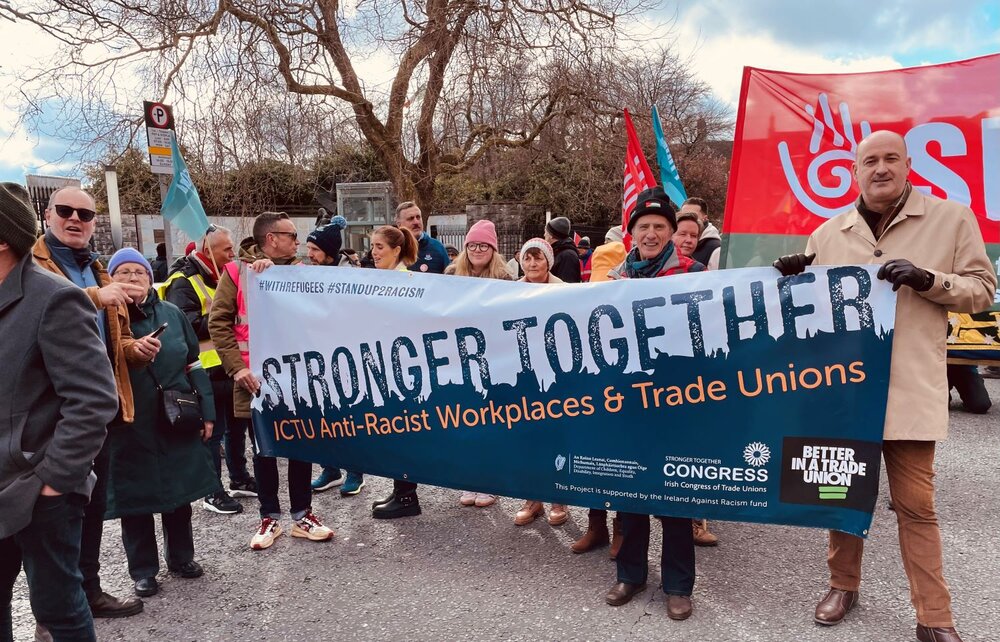
The Irish Congress of Trade Unions (ICTU) is inviting migrant and minority ethnic members to build their leadership skills and strengthen the fight against workplace racism and discrimination.
The Advocating for Race Equality training programme is designed to equip workers with the confidence and practical skills to challenge discrimination, influence decisions and make their voices heard within their workplaces and the trade union movement.
The programme is open to both new participants and those who have previously completed ICTU leadership training. It will be the final round of training offered this year.
Two practical online sessions
Delivered across two online sessions, the course will focus on practical approaches to advocating for race equality, including communicating effectively, responding to resistance and building support among colleagues.
Rather than focusing solely on theory, the programme uses role-play and practical exercises to help participants rehearse real-life situations in a supportive environment. Experienced programme participants will also help mentor those taking part for the first time.
The trainers
The training will be delivered by Dr. Lucy Michael, a sociologist and equality and human rights expert, former Irish Human Rights and Equality Commission member and university lecturer, and Abdul Qayum Shafaq, a researcher with over a decade of international experience in minority rights, gender equality and social inclusion, including work with UN Women and CARE International.
How to register
The training consists of two 90-minute online sessions:
Part 1: Tuesday 10th November 2026, 6.30pm–8pm
Part 2: Saturday 14th November 2026, 10.30am–12pm
No previous experience of the leadership programme is required.
Preparatory materials will be provided in advance, and participants are encouraged to attend both sessions.
Fórsa members from migrant or minority ethnic backgrounds who wish to participate can register by emailing antiracism@ictu.ie, including their name and trade union affiliation.
ICTU Stronger Together Anti-Racism Conference
Registration is now open for the ICTU Stronger Together Anti-Racism Conference, taking place in the Communications Workers Union, Dublin 1, on Thursday, 3rd December.
Speakers will include special rapporteur on racism, Dr. Ebun Joseph, and Dr Lucy Michael, along with speakers from Migrants Rights Centre Ireland, Black & Irish, Akidwa, Friedrich-Ebert-Stiftung and ICTU’s newly formed ethnic minority/migrant worker peer group, EMMWA.
Fórsa members who wish to attend can register by emailing antiracism@ictu.ie, including their name and trade union affiliation.
There is plenty on offer from Skills Academy this November. Don't miss your opportunity to take on one of their many fantastic trainings.
It’s a busy month ahead for Skills Academy with plenty on offer this November. The ever-popular Fórsa Induction returns on the 11th, ideal for any of the many new members who joined us over the past few months who might want to find out more about this organisation they have become a valued part of.
For reps who found holding a megaphone on the picket a bit intimidating, the public speaking training on the 10th is ideal for building your confidence and ability to speak to crowds. On top of these, there is a wide array of other training sessions on offer.
A highlight of the Skills Academy calendar, the Winter Skills Academy awards ceremony is coming up this week, on Tuesday 3rd November, in Nerney’s Court, Dublin. Members taking part in the consultative council are encouraged to stick around and show support for their branch colleagues who have completed training during the year.
Branch Skills: Public Speaking - Tuesday 10th November - Nerney’s Court, Dublin 1
Requirements: Currently serving as workplace rep, branch officer, or executive committee member
Being able to speak to a crowd and hold their attention is a valuable skill for any workplace rep. Join Skills Academy and learn how to contain those pre-stage jitters, how to look confident, and how to get your point across. If you dread public speaking, don’t miss this opportunity to build your confidence and competence, and take your first big step on becoming a great public speaker.
Fórsa Induction - Wednesday 11th November - Online
Requirements: none
Join Skills Academy for a short welcome session for new members. Peel back some of the mystery of how we work as a union and how you can become more engaged, have your voice heard locally, and raise issues at divisional and national levels.
There are morning and evening sessions available to fit your schedule. So, if you’re a new member, wondering what you’ve become part of, or looking to become a union activist, make sure to join this session.
Fórsa Induction is a prerequisite for members looking to take on Workplace Representative training.
Branch Skills: Effective IR Practises (Level 1) General - Tuesday 17th November - Nerney’s Court, Dublin 1
Requirements: Currently serving as workplace rep, branch officer, or executive committee member, not a member of the civil service division
Local industrial relations is the bedrock on which a union’s success is built. In these smaller day-to-day interactions, members learn the true value of having a union at their back. Whether it be resolving a workplace issue for groups or the individual, good outcomes on a local level turn coworkers into lifelong trade unionists.
Join Skills Academy and learn how to stay calm under pressure, how to go into every meeting prepared and how to get the best outcome for your members.
Note: there is a separate session available to civil service members who have a separate arbitration system not found in other workplaces.
Requirements: Currently serving as branch officer, or executive committee member
Conflict arises even in the best working relationships. What is important is to use conflict for positive growth and not to let it damage your relationships. Join Skills Academy to learn how to manage conflict when it happens and build better relationships with workplace representatives, members and management.
Requirements: Currently serving as branch officer, or executive committee member
For branch executive officers attending management meetings, there can be a lot of pressure to get the best outcome possible for your members. Join Skills Academy and give yourself the edge you need to get your members the results they deserve.
In this one-day practical workshop, you will learn the essential negotiation skills required to become an effective negotiator and achieve successful outcomes. Learn the fundamentals of negotiation, how to properly plan and prepare, and find the style and approach that suits you best.
Branch Skills: Treasurer Training - Thursday 19th November - Nerney’s Court, Dublin 1
Requirements: Currently serving as branch treasurer or vice-treasurer
Branch treasurer is one of the most demanding positions a member can take on. The role comes with a set of duties and responsibilities that are integral to the successful functioning of your branch.
Join Skills Academy and learn what you need to do and all the important dates and deadlines you don’t want to miss. Being treasurer can be very difficult to pick up on the job. Save yourself the stress and hit the ground running with the Treasurer Training.
Branch Skills: Lámh sign language certified training – Monday 23rd November – Nerney’s Court, Dublin
Requirements: Currently serving as workplace rep, branch officer, or executive committee member
Pilot Course
A fantastic opportunity, especially if you work with adults and children with additional needs in education, healthcare, and social care settings.
Lámh is Ireland’s standardised manual or keyword sign system. It is a simplified sign system for communication with adults and children with additional needs. Some adults and children in Ireland choose to use Lámh as their main method of communication as their way of understanding the world and expressing themselves.
This course will be certified and broken into two parts. The first part will be delivered online. It will take three hours to complete and can be completed at your own pace but must be completed before the second in-person part. The e-learning platform will be available from 9th November.
The second part will be in person, held in Nerney’s Court, Dublin, on 23rd November. This session will take 4.5 hours, from 11am until 3.30pm.
The training will be delivered by Lámh, the organisation for the promotion of the Lámh sign system. Participants should provide personal emails to register for the e-learning platform as workplace email systems may automatically block registration confirmation emails.
Further information on this, and other Lámh courses, can be found here.
Branch Skills: Branch Training Officers ‘Facilitation Skills Workshop’ – Thursday 26th November – Nerney’s Court, Dublin
Requirements: Currently serving as branch training officer, or executive committee member
Join Skills Academy and learn the secrets to good facilitation. Learn how to know when to let things go and when to move things on, how to manage tensions, how to keep participants engaged, and the importance of knowing when your input is needed and when to step back.
How to register
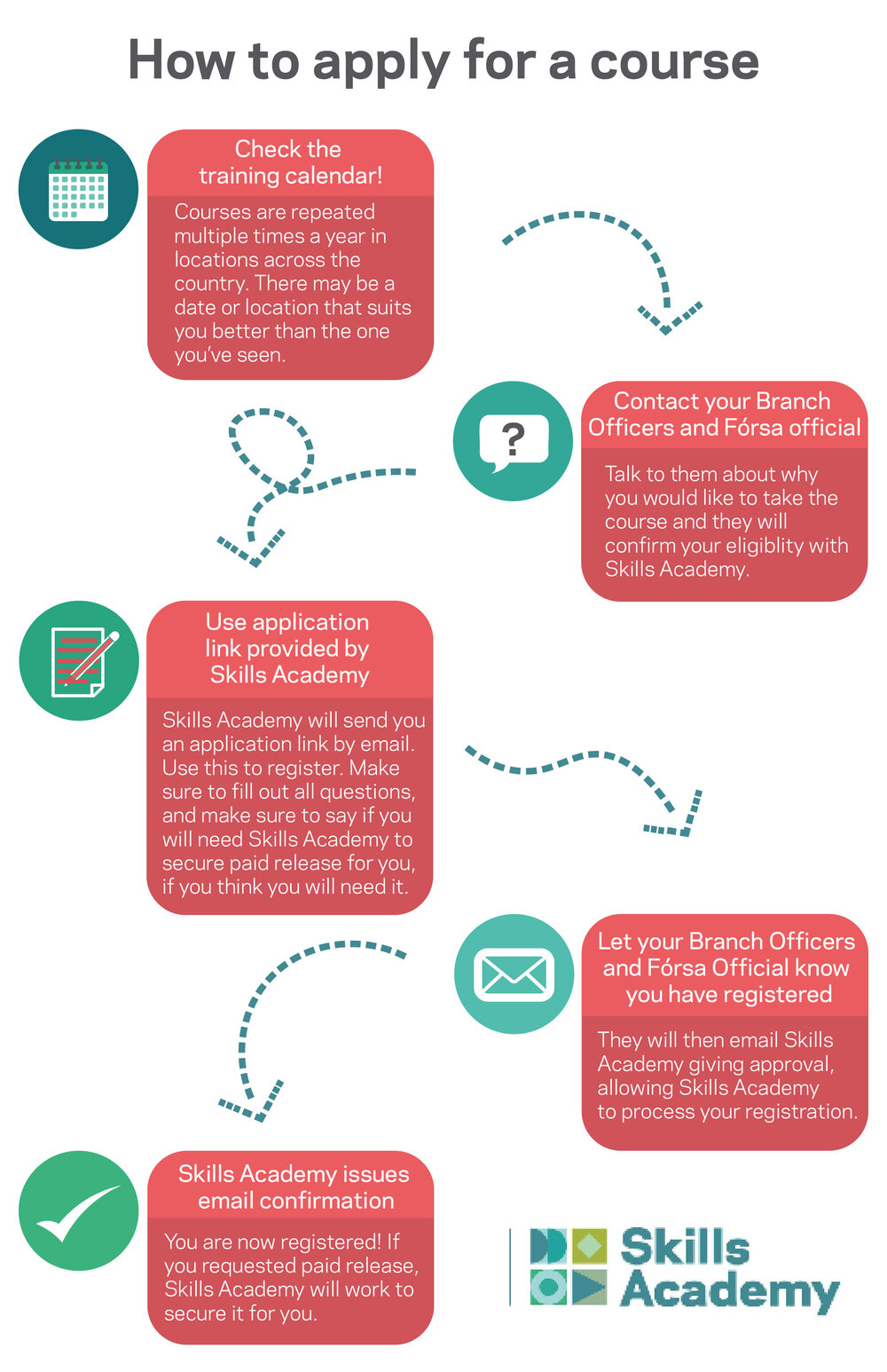
If you see a course you would like to take, simply contact your branch’s training officer or secretary and let them know you are interested. They will confirm your eligibility and contact Skills Academy.
You will receive a registration link via email. Fill out the form in full and make sure you let Skills Academy know if you would like them to secure paid release for you.