In recent decades a whole raft of legislation, regulations and responsibilities have guaranteed workers’ physical safety in the workplace However, while much focus has been put on physical dangers in the workplace, less attention has been paid to psychosocial risks.
‘Psychosocial risk’ describes factors in the way work is organised and managed that has the potential to negatively affect workers’ mental or physical well‑being. These risks arise from social and organisational conditions, as distinct from physical hazards in the workplace.
On Thursday 22nd October, Fórsa’s Health and Safety Committee hosted the event Managing Psychosocial Risks in the Workplace in Nerney’s Court and brought together workplace reps, branch officers, and officials.
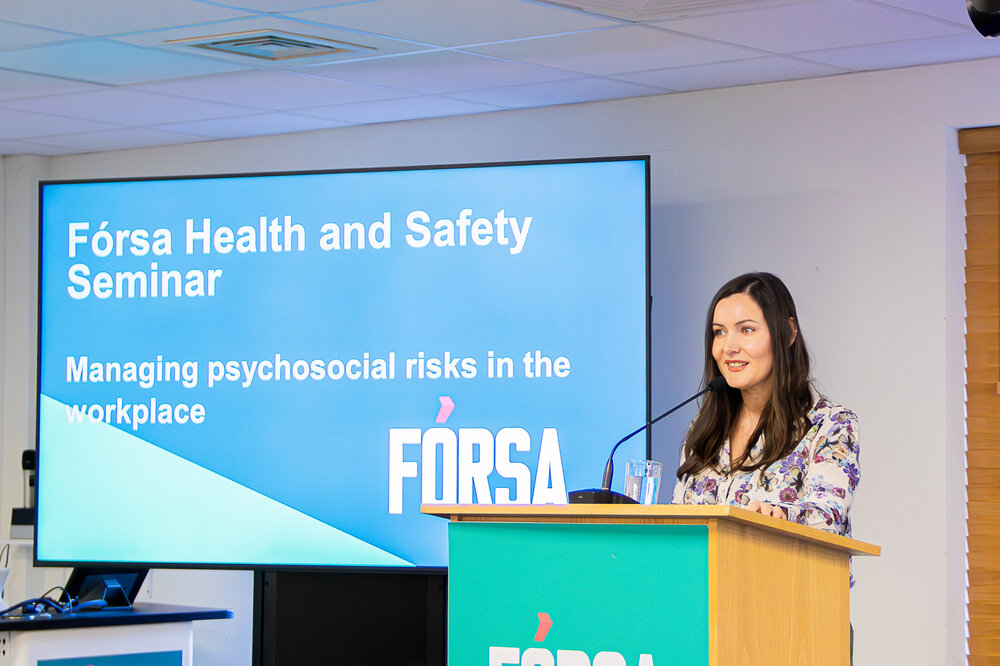
Fórsa deputy general secretary, Katie Morgan opened up with a short address underlining the importance of protecting mental well-being as well as physical
She said, “It is a commitment of not only Fórsa but the Irish Congress of Trade Unions, to get employers to prioritise mental health and not just physical dangers in the workplace”
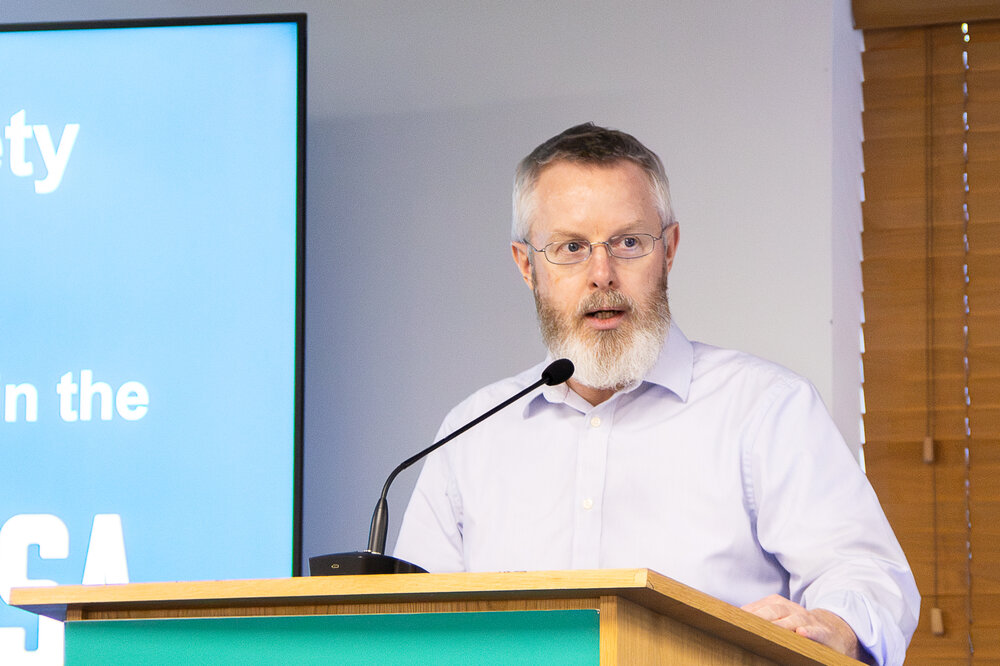
Fórsa Vice-President and chair of the Health and Safety Sub-committee, Mark Tighe, spoke on the work still to be done on psychosocial health and safety.
He said, “I see this as a stepping stone in the growing path of helping people, of making employers protect people and mental health in the workplace.”
Culture
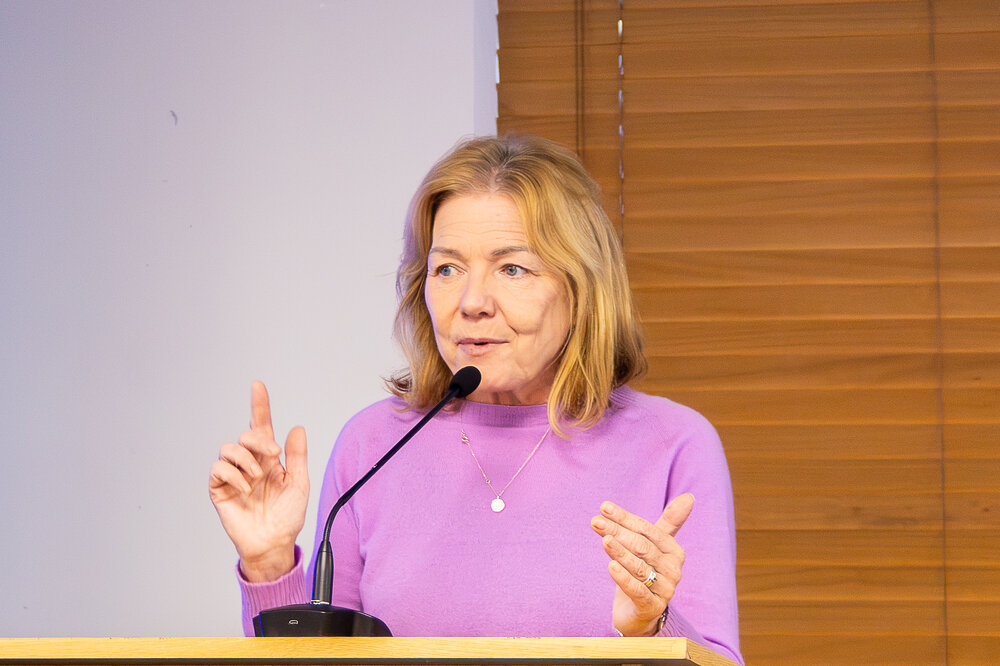
Patricia Murray, former Senior Psychologist and Inspector with the Health and Safety Authority (HSA) now working independently with clients to create healthier and safer workplaces, spoke on the importance of creating a good culture and providing considered, consistent support.
According to Patricia, a simple cause of conflict can be the differences in the way different people are used to behaving in social situations. She said, “what I see as good behaviour is not what Mary sees as good behaviour, or what Mark sees as good behaviour.”
To overcome this issue, she recommends laying out clear expectations of workplace behaviour in a new staff member’s induction. She said, “this should be about ‘this is how we behave here, this is how we work here.’”
She also gave a stark warning of the need to see things through when supporting someone experiencing workplace bullying or conflict. She said, “don’t open up if you’re going to walk away from it. If you get involved and walk away it can really damage someone.”
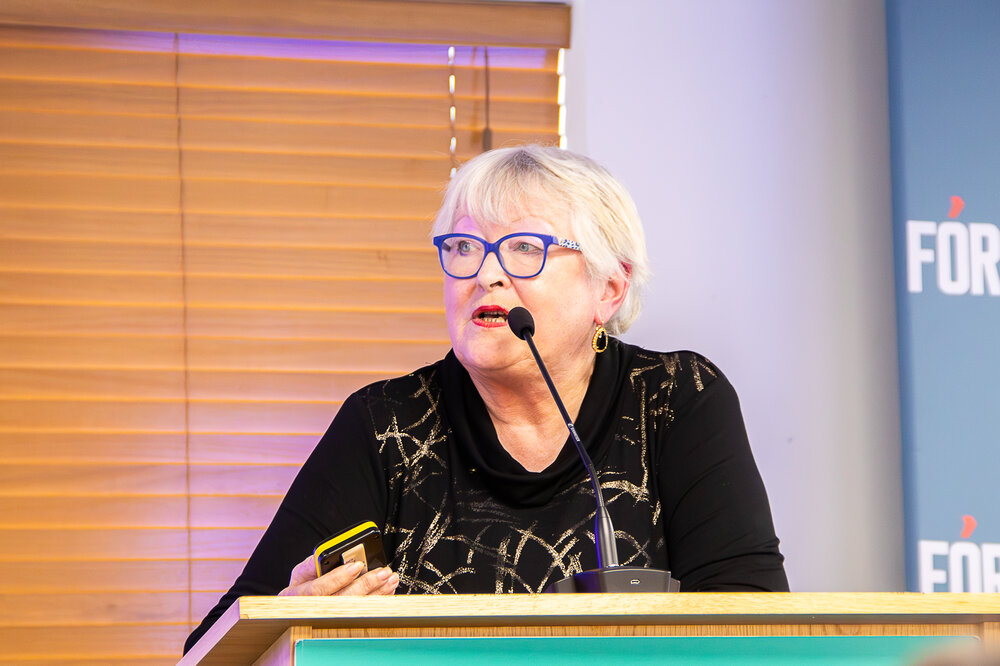
Chair of Leitrim Health and Local Government branch, Geraldine McLoughlin, a psychologist with the HSE, described the mechanics of how a bullying relationship develops, and how the systems currently in place to address workplace bullying are inadequate and often only further disempower victims.
Amongst the issues she found were “deliberately power-blind” policies that ignore imbalances in cases. She also found evidence that bullies were enabled to conspire against their victims through “behind the scenes defamation of the victim, in emails and telephone calls” and the active collaboration of ‘support contact persons.’
Of greatest concern was a lack of enforceability on any recommendations following an investigation. She said, “I have no evidence either locally or nationally where a grievance has been upheld the person has been sanctioned.”
Workplace Bullying
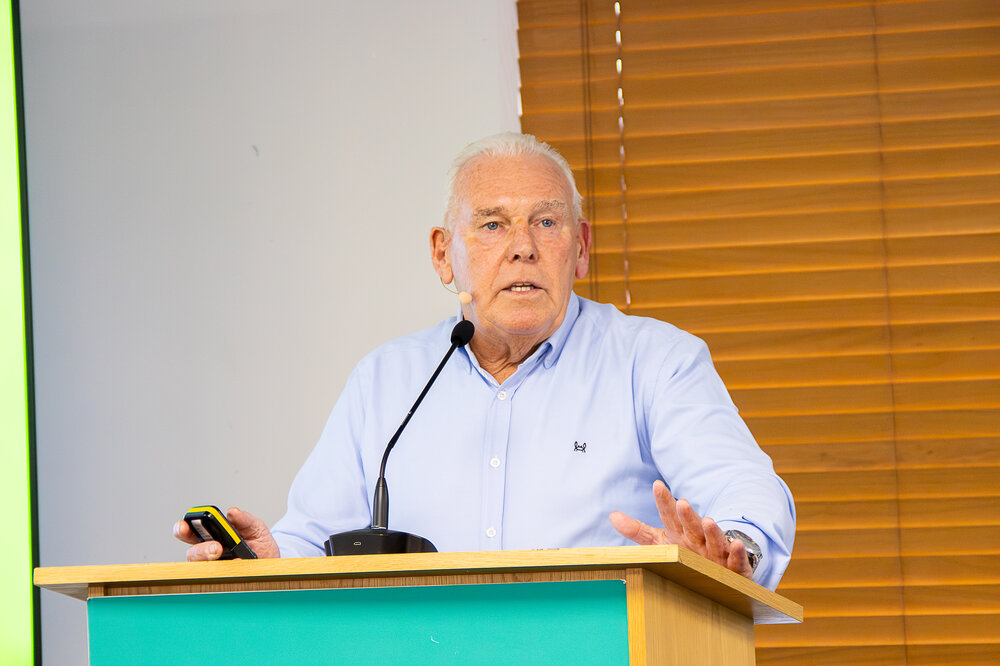
Expert in health and safety and former head of Fórsa's local government and municipal employees' divisions, Dessie Robinson spoke on the 2023 Fórsa survey on bullying and harassment in the workplace.
The details were harsh. Of the 4981 respondents, 68% said they had been bullied in the workplace, with 31% having experienced intimidating behaviour such as finger pointing, invasion of personal space, shouting or physically blocking their path.
Beyond the personal impact, Dessie identified workplace bullying as an issue employers should be concerned about from a business perspective. He said, “employers need to realise if you’re feeling hopeless, you’re not going to be productive.”
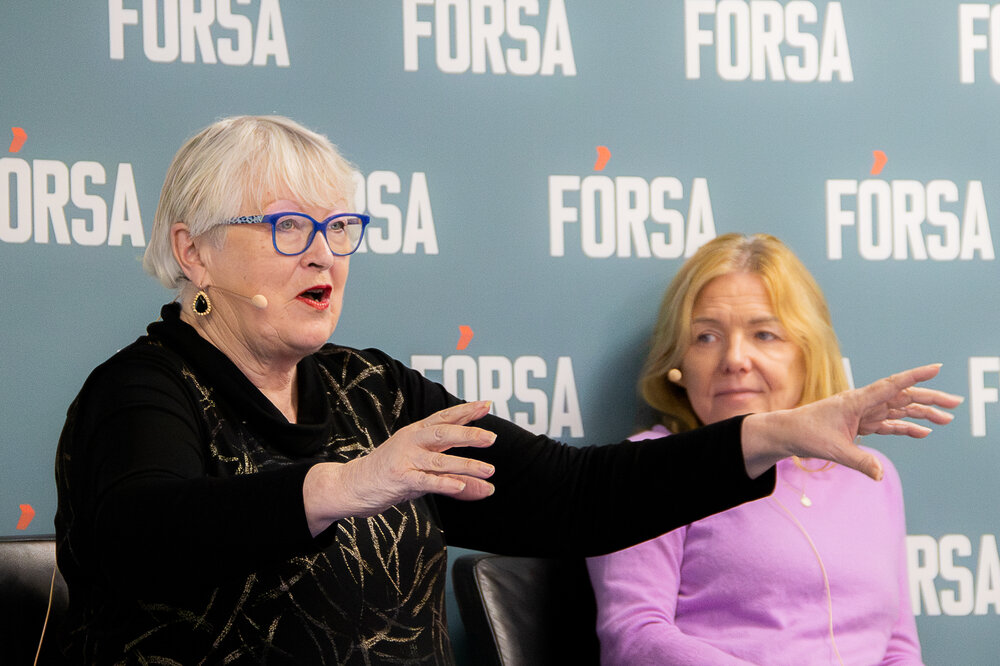
Speakers Patricia Murray, Geraldine McLoughlin, and Dessie Robinson returned for a closed question and answer session chaired by Fórsa assistant general secretary Lynn Coffey.
For a bullying grievance to be successful, a pattern of behaviour must be established. To this end the panelists recommended that someone experiencing workplace bullying should write down everything that happened to them. This will assist the member when they raise it with their employer, and when talking to their union rep about how best to address it.
Additionally, if they have concerns that the employer is not dealing with the matter appropriately, they should make complaints to the health and safety authority. While this may not resolve the case, the interaction will be logged and will assist in establishing a pattern of behaviour.
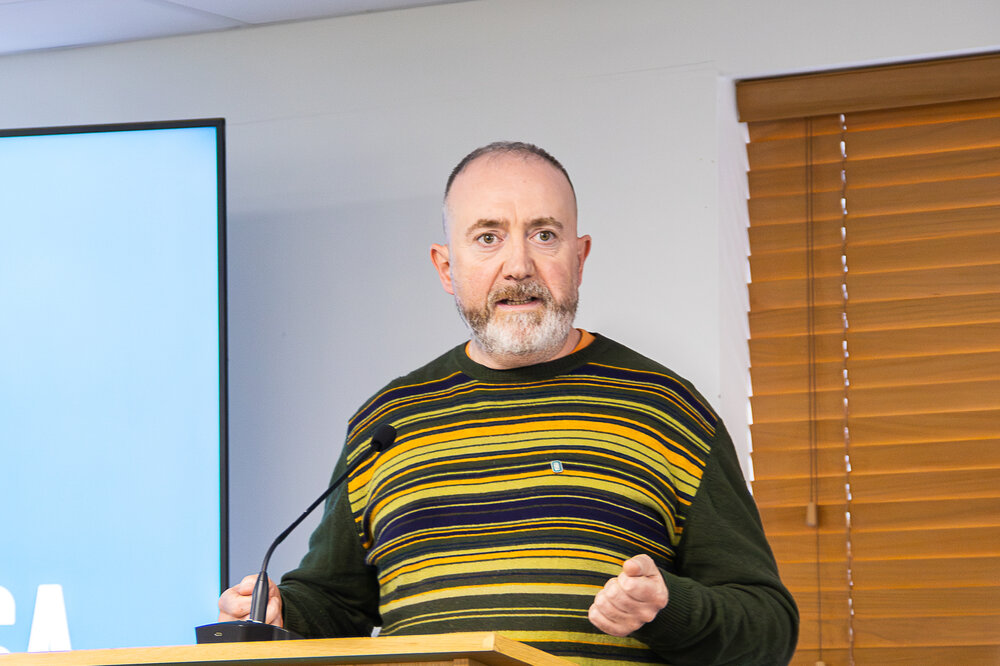
Health and Safety Subcommittee member Keivan Jackson closed the event by stressing the need to protect Fórsa members working in customer-facing and care roles, where exposure to abuse and other psychosocial risks can be high.
“Our members work in jobs on the frontline of psychosocial risk,” he said.
If you are experiencing bully, harassment or abuse in your workplace please get in contact with your rep or branch as soon as possible.

 Like