It’s nearly a year to the day since the school secretaries and caretakers’ strike ended, after the Government committed to negotiations on comparable pension entitlements.
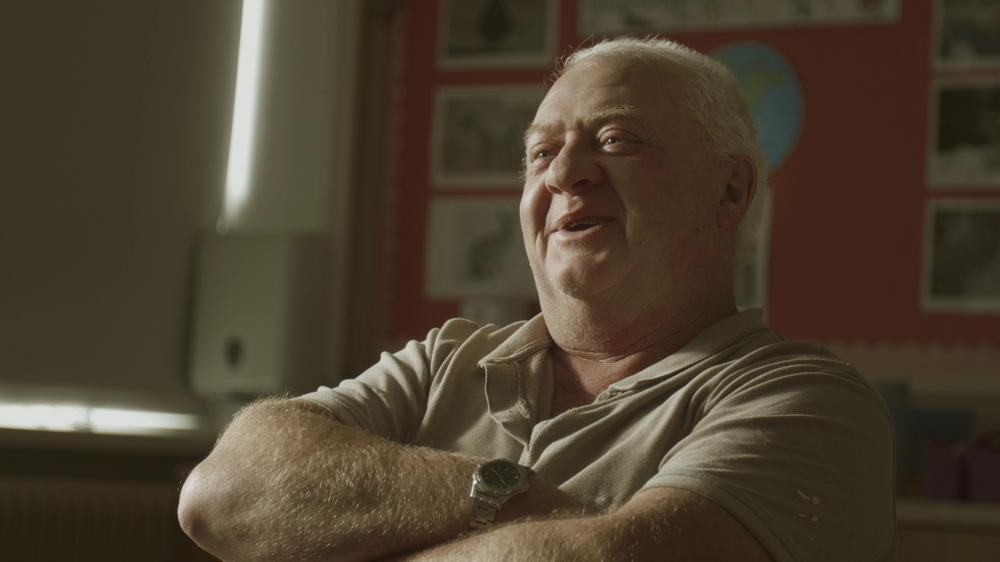
Watch our new documentary about the heady days of the strike and give it a share.
In recent months, the term ‘collective effervescence’ has jumped from the pages of first-year sociology textbooks into pop-psychology radio slots, invoked to explain everything from summer festivals to GAA matches.
It describes that spark that happens when people come together and discover a power beyond themselves. A year ago, school secretaries and caretakers did something that, only months earlier, many would have thought impossible.
And they did it with a bang.
In late August 2025, around 2,800 workers in schools across the country walked off the job in an indefinite strike for pension parity, fair leave and a pay agreement for caretakers.
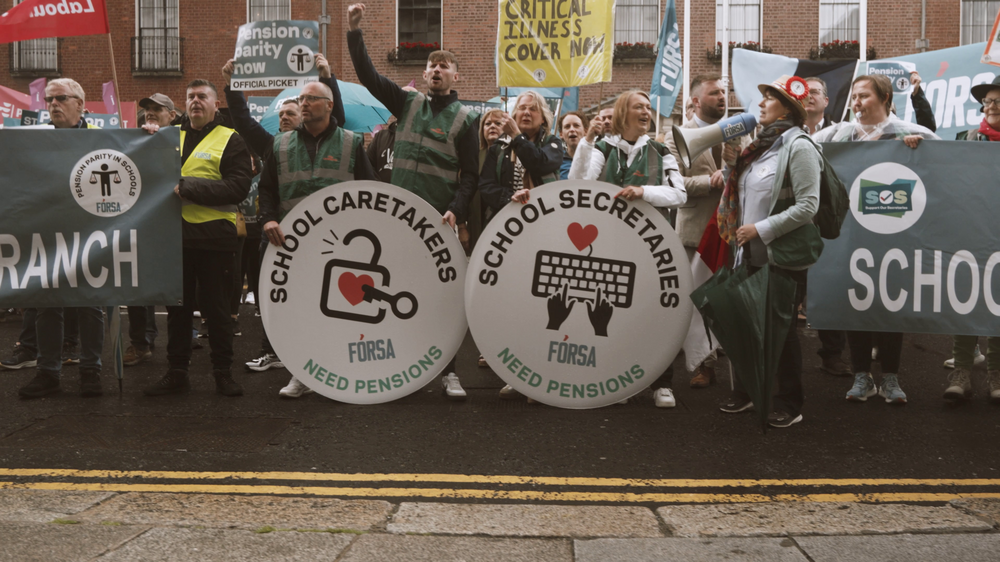
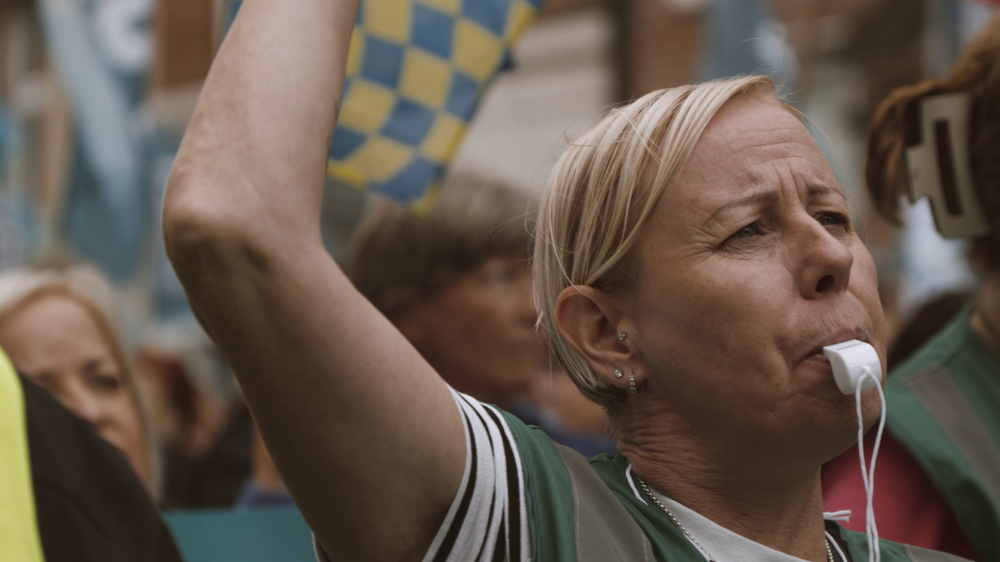
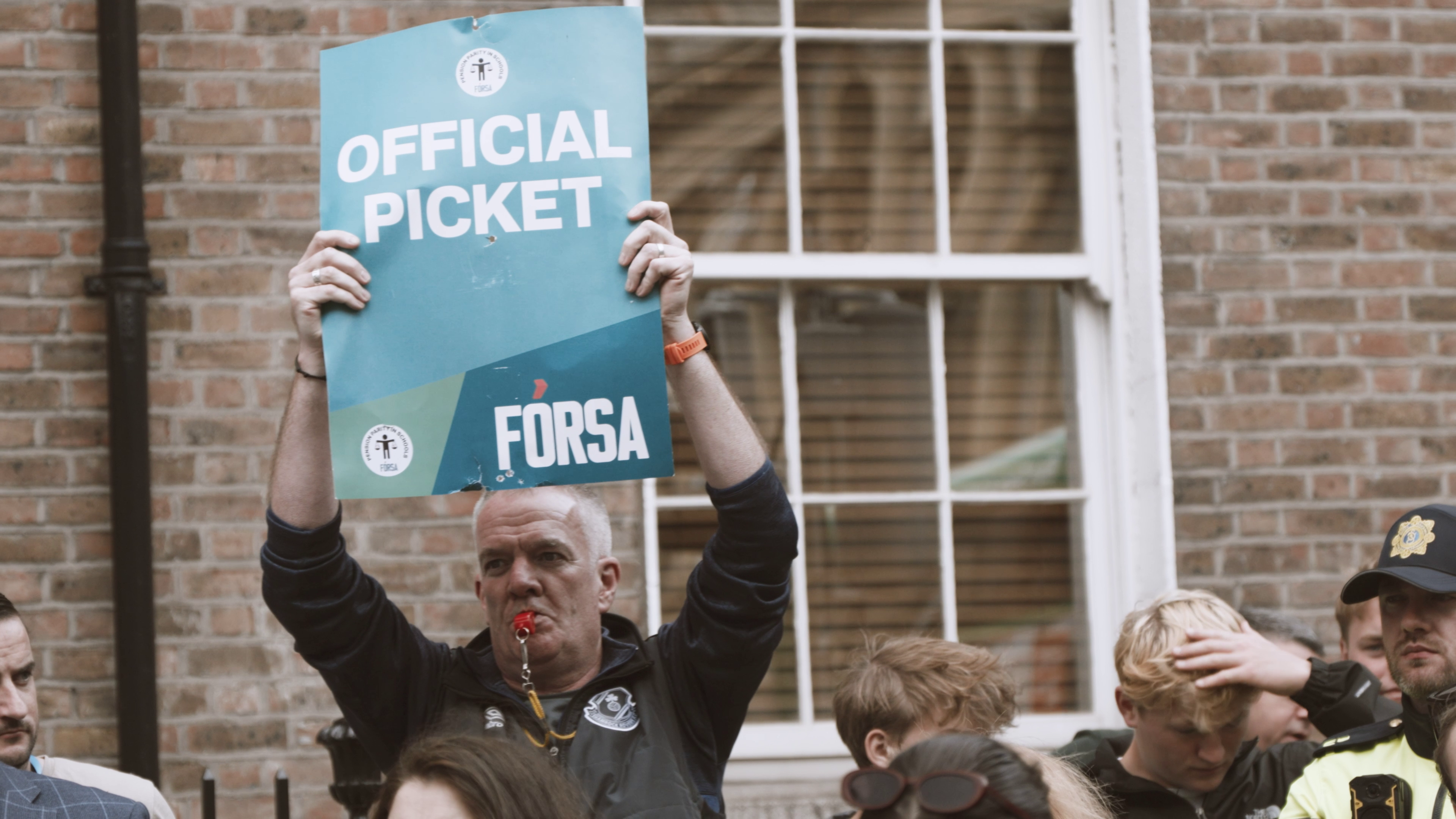
For seven days, Fórsa colours appeared outside schools in almost every part of Ireland. There were mass rallies in Dublin and Athlone, pickets at politicians’ constituency offices and, perhaps most importantly, thousands of workers standing outside the schools where many had been taken for granted for decades.
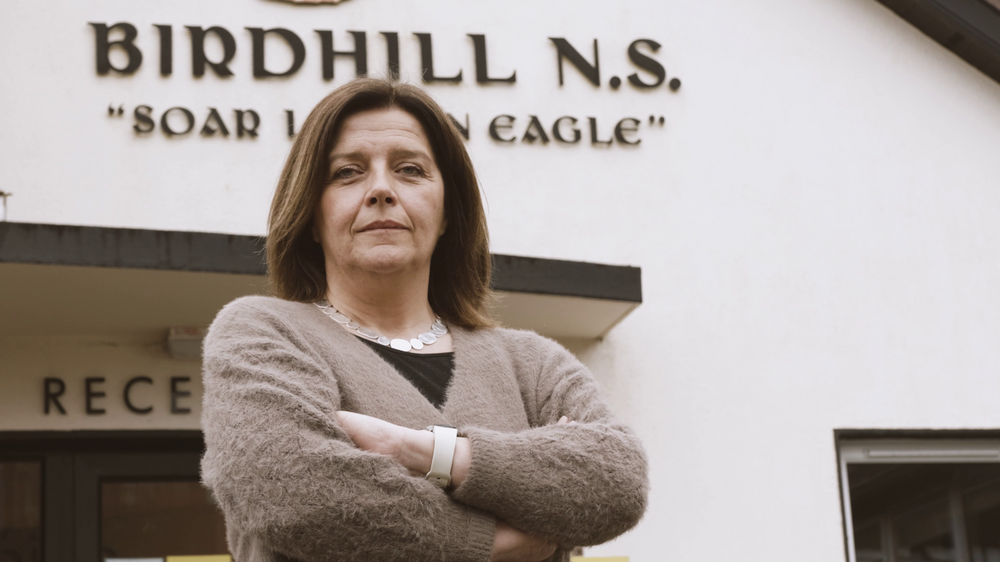
“There’s a school in every parish,” says Gina Byrne, from Birdhill National School in Tipperary. “It affected every town and village in the country.”
But the strike didn’t appear from nowhere.
A feeling in that room
“This didn't just happen overnight. This was a year in the planning,” says Noreen O’Callaghan of Watergrasshill in Cork. “There was no sleep. It was constant. Text messages starting from 6 o’clock in the morning. All night. You get an idea and you put it into the group and you'd run away with that.”
Gina remembers one of the first campaign meetings in Fórsa’s Dublin offices. The weather was terrible and the attendance wasn’t particularly large. But something was happening.
“There was just a feeling in that room,” she says.
Workers began building networks that stretched far beyond their own schools. Facebook groups, Telegram channels and WhatsApp chats connected people who previously might never have met. Regional meetings became a roadshow stretching from Donegal to West Cork.
“You could see the momentum building,” says Gina. “When we went on to sort of go to the next level, there was already that awareness out there.”
We have the public’s backing
The campaign deliberately created ways for every worker to participate.
In May 2025 Badge Week filled social media with photographs. An online pledge allowed workers to start conversations in their own schools and communities. Eventually, more than 70,000 people backed the campaign in a huge avalanche of solidarity not just amongst the school communities, but extending into every nook and cranny from the clergy to the local butcher shop.
“The online pledge was fierce important - tens of thousands of people signed that pledge.” chimes in Billy Kerins, a caretaker at St. Anne’s Primary School in Rathkeale.
“People would stop me in the street - ‘what’s this pledge about Bill?’ And we could see week by week by week the numbers. We have the public's backing. What you're doing is wrong.”
The pledge was like a stick of dynamite in terms of lighting a fire under members and promoting a spirit of DIY self-activation.
“You could take ownership of it from just your own perspective in your own school and say, right, who can I contact to sign this pledge?” recalls Gina. By the time industrial action approached, public awareness had already been built.
Talks break down
Then came the phone call. It was 6pm on the eve of the strike and Noreen learns that talks had broken down.
“I broke down in tears, crying between a lack of sleep and just our emotions were so high. How did the Department of Education let it go to strike action? It was so sad.”
At 5am the next morning, she was up again to travel to Dublin. Bus details had only been confirmed the previous night because organisers could not be certain the strike was going ahead.
Then workers started arriving. Pickup points stretched from north Donegal to West Cork. More than a thousand secretaries and caretakers descended on Dublin on the first day of action.
It was like Braveheart
“It was like Braveheart,” Noreen remembers. “It was good for the soul to see everybody else out with you.”
For Billy, seeing workers together changed the scale of what they were doing.
“When you actually look at people and see it, like these are all people's lives, and this is what we're trying to change. How can this many people be messed around? Enough is enough.”
The action spread. Hundreds rallied at the Department of Education in Athlone and on Marlborough Street in Dublin. Members then targeted government TDs and ministers in their constituencies.
But some of the most difficult moments came away from the crowds when workers returned to picket their own schools.
“It was very hard to stand on your own,” says Noreen.
Some were joined by parents, teachers, SNAs and other school staff. Others stood alone.
“There were also secretaries and caretakers who didn't get support from their school,” says Gina. “I think that drove forward an even more powerful message.”
The power of the swarm
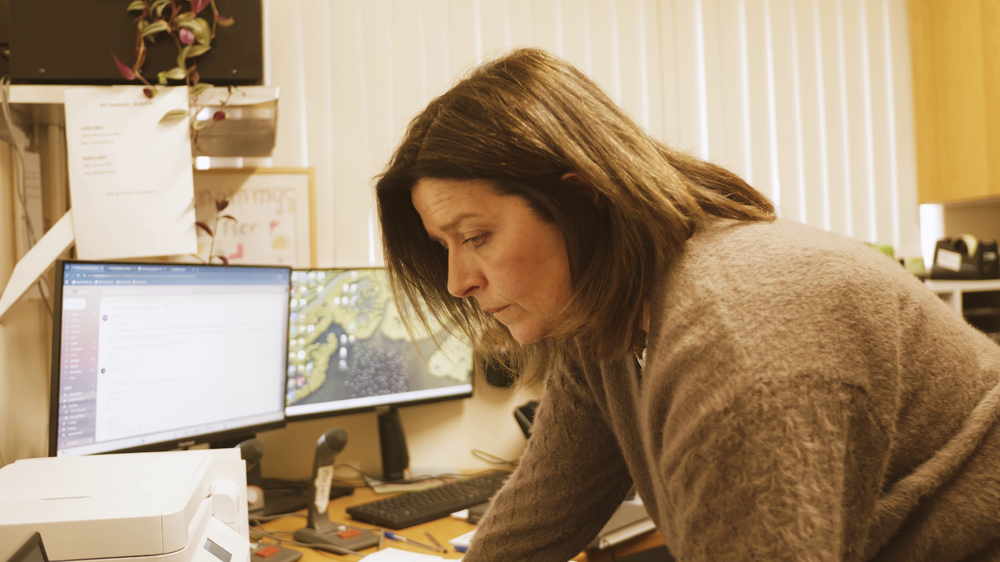
And with every day, the effect of their absence became more visible. Waste accumulated. Phones went unanswered. Invoices weren’t paid. The often invisible work of secretaries and caretakers suddenly became impossible to overlook. Pressure continued to grow.
If there’s one lesson to be drawn from the pension parity battle, it’s the importance of creating collective moments in a society where more and more people are being sucked into the negative and fractious world of screens.
The school secretaries and caretakers did it with spectacular gusto, turning picket lines into something closer to a carnival of protest - collective, joyful, noisy and impossible to ignore.
When needed, they switched to swarm tactics and lightning pickets, bringing the noise directly to the doors of politicians. Hundreds converged on Minister Jack Chambers’ constituency office in Dublin. Cars beeped in support. Images of packed picket lines flooded social media.
The breakthrough
Then, after seven days, came the breakthrough. Noreen had finished her picket and gone to her local pub in Watergrasshill, exhausted, when her phone rang. It was Fórsa’s Andy Pike.
An agreement had been reached, committing the Government to negotiations on comparable pension entitlements for school secretaries and caretakers. Messages soon started flooding back and forth through online networks workers themselves had built.
“Telegram groups started hopping,” Gina remembers. “Is this true? I've seen this on the news. I saw this on X. What's happening? So that kind of spread like wildfire. It was still just another, you know, step along the way. Get them to agree to go to those talks on the basis of providing pension parity. That was what we had campaigned for. So that was, you know, a big moment.”
The lessons
A year later, the lesson of that week isn’t simply that workers went on strike. It’s how they got there.
Months of meetings. Thousands of conversations. Regional networking. Pledges. Telegram communities. Badges. Buses. More buses. Messages at six in the morning. Workers persuading other workers that they could do something together that none of them could do alone.
For Billy, the lesson is patience. “It takes a long, long time… to get a good bunch of people around you, to have the same passion and the same drive. It won’t be done in a day.”
Gina puts it another way: “There isn't going to be one big magic wand. This was very much inch by inch, row by row.”
And for Noreen, after the sleepless nights, tears, pickets and eventual breakthrough, the lesson is simpler still: “There is no shortcut to winning,” she says with a glint in her eye.
 Like
Like